When the Wind Drops: Your 2026 Post-Storm Tree Check, From the Ground Up
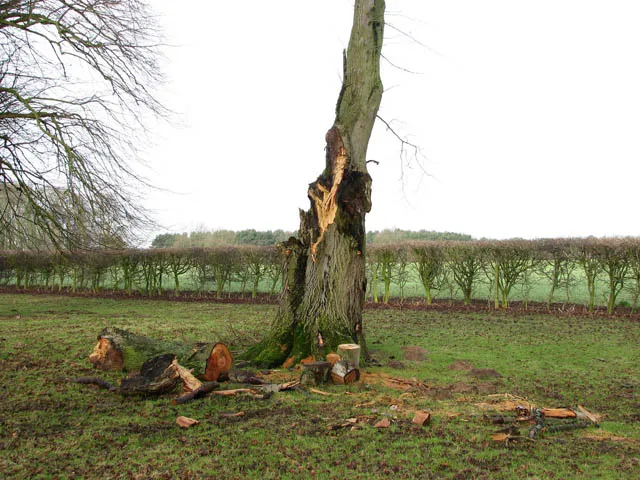
Photo: Evelyn Simak, CC BY-SA 2.0, via Wikimedia Commons
Autumn and winter gales are part of UK gardening life, but the storms of 2026 have left plenty of homeowners staring at a leaning tree and wondering whether to reach for the phone or the saw. The answer is usually the phone. Before you step under a damaged canopy, remember that storm-damaged trees can fail without warning, and the most dangerous defects are often the ones you cannot see from the kitchen window.
Safety first: inspect from the ground
Start at least a tree's height away from the trunk, ideally with a clear escape route behind you. Binoculars help, but your eyes and ears matter too: listen for creaking, look for fresh soil movement and check whether the canopy is hanging differently from yesterday. Do not climb a damaged tree, do not stand under a hanging limb and do not start a chainsaw while you are still working out what has happened. A storm-damaged tree is not a DIY project; it is a structural problem with a timing issue.
The red flags that mean keep clear
Some defects are obvious. A root plate that has lifted out of the soil, a fresh crack at a branch union, a split trunk or a limb hanging by a thread are all signs that the tree may fail without much warning. A tree leaning towards a house, garage, shed, road or footpath deserves particular caution, especially after heavy rain. So does anything tangled with overhead cables. If you see any of these, keep people and pets well back and call a professional tree surgeon. Do not try to pull a hanging branch down or cut it free from below.
A simple ground-level checklist
Work through the tree from the bottom up, without touching it:
- Root plate: is the soil heaved, cracked or mounded on one side? Are there fresh roots exposed?
- Trunk: are there new splits, wounds, cavities or bark stripping?
- Branch unions: are there cracks, separation or fresh sap runs at the join?
- Canopy: are branches broken, hanging, crossed or suddenly sparse on one side?
- Targets: what would the tree hit if it fell, and who uses that space?
- Ground: is the soil waterlogged, compacted or eroded around the base?
Make a note of what you see, take photographs from a safe distance and date them. That record is useful for your own planning, for the council if a Tree Preservation Order is involved and for your insurer if you need to make a claim.
TPOs and conservation areas: dangerous trees are not a free pass
Most UK homeowners have heard of Tree Preservation Orders and conservation areas, but storm damage creates confusion. There are limited provisions for work needed to prevent imminent danger, and councils understand that emergencies happen. That is not the same as permission to remove or hard-prune a tree simply because it looks messy after a gale. If a tree is protected by a TPO, or sits in a conservation area, contact the local authority tree officer as soon as you can. In a genuine emergency, make the area safe and keep evidence: photographs, a short note of the date and time, and any report from an arboriculturist. If the work can wait, wait for the proper consent or notice process. The last thing you want is a dispute about unauthorised work on top of a storm clean-up.
What insurers tend to ask for
If storm damage affects your property, tell your insurer promptly and keep the paperwork tidy. Most claims handlers will want photographs of the damage, evidence that you took reasonable steps to stop things getting worse, professional quotes or a report where structural work is needed, and receipts for any emergency make-safe work. Avoid clearing every trace of the tree before it has been assessed if it is safe to leave it in place. And be wary of agreeing to permanent removal before you know whether the tree is protected or whether the insurer wants an arboricultural report. 'The tree came down in the storm' is a simple story; 'we had the rest of it cut down the next day' can complicate things.
After the storm: the longer view
Once the immediate danger has passed, look at the trees that are still standing. Waterlogged soil, compaction from vehicles and new exposure to wind can all affect stability. A tree that lost a large limb may need careful reduction pruning rather than a blunt haircut, and a tree that has survived may still need a professional inspection. This is also a good moment to think about replanting with species that suit your soil and exposed position. Storms are a reminder that gardens are living systems, not static backdrops.
At ArborMaster, the practical rule is simple: inspect from the ground, record what you see, keep clear of the red flags and get qualified advice before anyone puts a saw into a storm-damaged tree. A calm check today is cheaper and safer than an emergency tomorrow.