The Hard Prune Habit: Why Topping a Tree Is a False Economy
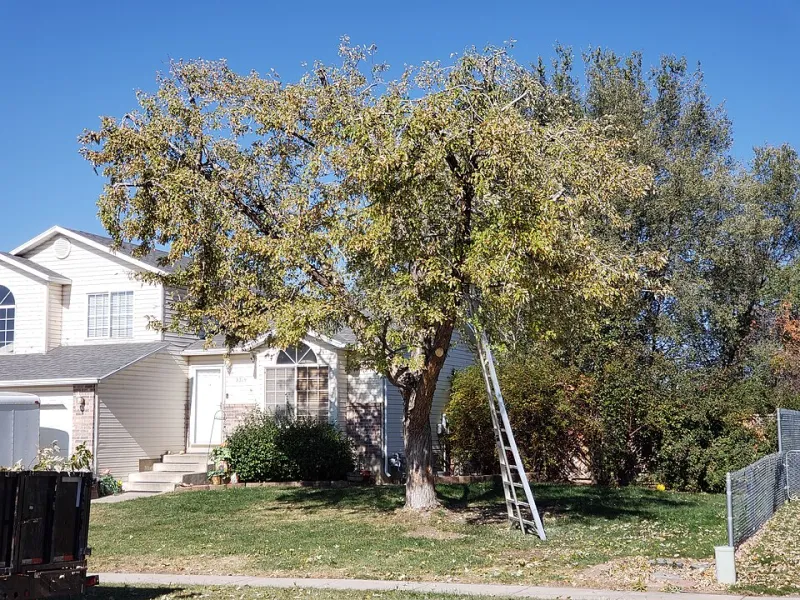
Photo: Hartsough1990, CC BY-SA 4.0, via Wikimedia Commons
There is a phrase that makes most arboriculturists wince: 'Can you just cut it back hard?' It sounds sensible enough. The tree is too big, too dark or too close to the house, and a hard prune feels like a quick fix. But topping is not tree surgery. It is a shortcut that creates decay, weak regrowth and future hazard risk, and it often costs the homeowner more in the long run than a proper job would have done in the first place.
Topping is a wound, not a haircut
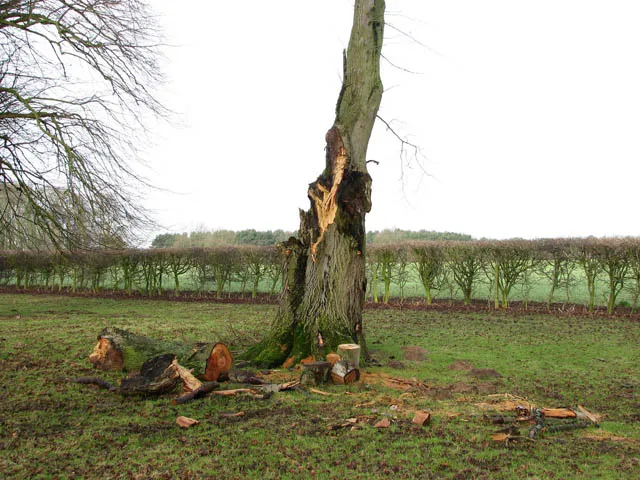
Topping means cutting back large limbs to stubs, often in a uniform line across the crown. The tree cannot seal those wounds; it can only try to compartmentalise the damage. Large cuts expose heartwood to decay fungi, and the regrowth that follows is often a cluster of fast-growing shoots called epicormic growth. These shoots are weakly attached, shaded and prone to breaking out in wind. Topping also removes a large proportion of the leaves the tree needs to make food, which stresses the whole system. In other words, the tree responds by spending energy on survival growth rather than on a healthy structure.
What proper reduction actually looks like
Reduction pruning is a different job entirely. A good arboriculturist works with the tree's natural form, cutting back to suitable lateral branches rather than leaving stubs. The aim is to reduce height or spread while keeping a balanced crown and a sound structure. Cuts should be made at the branch collar where possible, with clean final cuts and no torn bark. The work should follow a written specification, not a vague promise to 'take the top off'. In the UK, BS 3998:2010 is the reference point many professionals work to, and a reputable contractor will be happy to explain what they are doing and why. Proper reduction is slower, more skilled and less dramatic. That is rather the point.
The TPO trap: hard pruning can be illegal
Here is where the cheap option gets expensive. If a tree is covered by a Tree Preservation Order, or stands in a conservation area, topping or hard pruning may need consent or notice. Storm damage can create genuine emergency exemptions, but 'the tree was getting too big' is not an emergency. Unauthorised work on a protected tree can lead to enforcement action and fines, and the homeowner is usually the one left holding the paperwork. Before you agree to any significant pruning, ask the local authority tree officer whether the tree is protected. A professional arboriculturist will check this as a matter of routine; a door-knocker with a chainsaw probably will not.
How to vet an arborist before the chainsaw arrives
Ask for evidence rather than sales patter. Membership of a recognised trade body, such as the Arboricultural Association's approved contractor scheme, is a useful starting point. So are qualifications and certificates, public liability insurance and a written quotation that specifies the work. Ask what 'reduce' means in metres and which branches will be cut. Ask for a method statement and check how the waste will be handled. A legitimate contractor will not mind you asking for references or photographs of previous work. Be cautious of anyone who offers a cash-only price after a doorstep call, or who tells you the tree must be topped because that is simply how it is done. It is not.
The false economy of the hard prune
Topping can look cheaper on the day because it is quick and produces a lot of firewood. The real bill arrives later: repeat pruning, weak regrowth, decay, storm damage and sometimes complete removal. A tree that could have been managed for decades may become a liability in a few seasons. Proper pruning costs more upfront because it takes skill, time and a plan. But it is the difference between maintaining a tree and repeatedly repairing the damage done to it.
ArborMaster's view is blunt: if someone offers to top your tree, ask them to explain what they mean by reduction and show you the specification in writing. If they cannot, keep your money and find an arboriculturist who can. Your tree, your insurance premium and your future self will thank you.