The Bat Check Before the Chainsaw: A Homeowner’s Guide to Tree Work and Protected Roosts
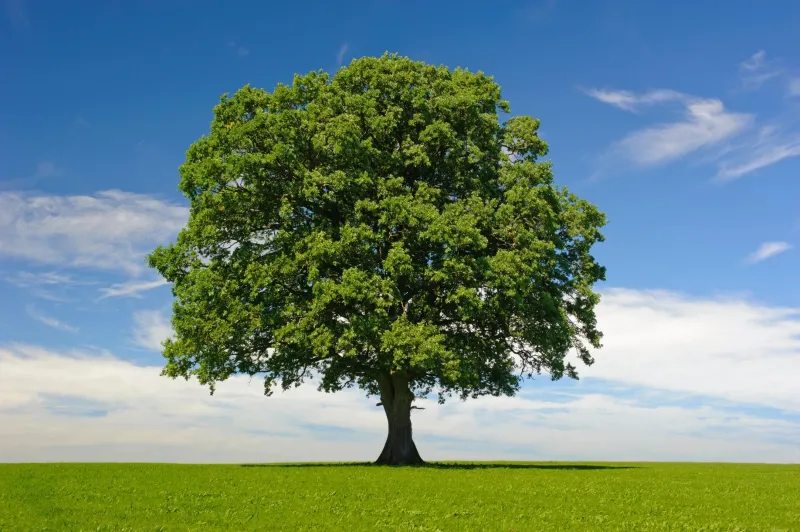
Photo: tree surgeon inspecting mature garden oak tree for bat roost holes UK, via img1.wsimg.com
Picture the scene. You have finally booked the tree surgeon, cleared a Saturday, and maybe warned the neighbours about the noise. The quote covers a crown lift, a bit of deadwooding and the low limb that has been catching the shed roof for two summers. Then someone asks whether the tree has been checked for bats. Cue the eye-roll. It sounds like yet another box to tick, another reason for a job to slip down the diary.
It is not. In the UK, bats are one of the clearest legal stop signs in tree work. Not because tree surgeons are being awkward, and not because every garden tree is a bat hotel, but because the law protects bats and their roosts in a way that can turn a straightforward prune into a delayed, licensed project. As of 2026, that has not changed, and it is worth knowing before the saws come out.
The short version, without the Latin
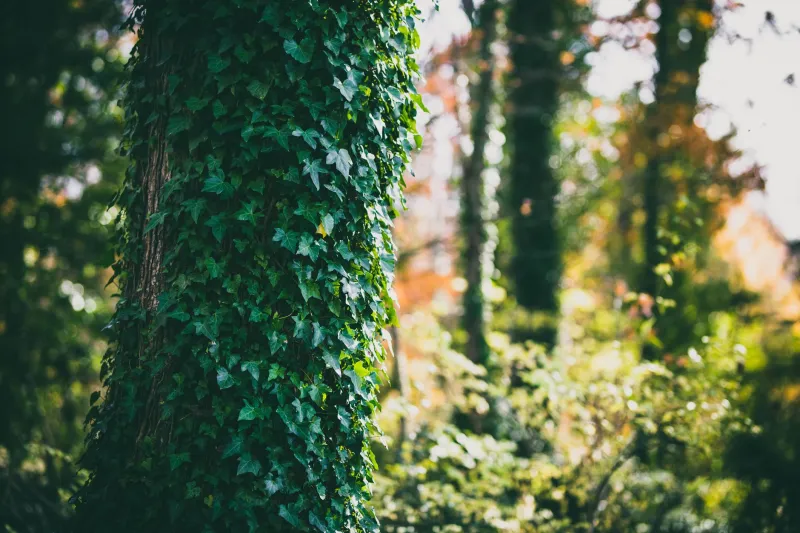
In England and Wales, bats are protected under the Wildlife and Countryside Act 1981 and the Conservation of Habitats and Species Regulations 2017. Scotland and Northern Ireland have their own equivalent legislation, but the principle is much the same. All bat species are protected. Their roosts are protected too, and a roost is not just a hollow old oak in a field. It can be a crack in a garden ash, a gap behind loose bark, a cavity where a limb has failed, or a sheltered spot in dense ivy.
The important bit for homeowners is this: a roost remains protected even when the bats are not at home. Bats may be out feeding, or the roost may be used only at certain times of year. The law does not wait for a bat to wave at you from the entrance. Damaging or destroying a roost, or obstructing access to it, can be an offence. So can disturbing bats. In serious cases, penalties can include unlimited fines and imprisonment.
Bats are not a countryside problem
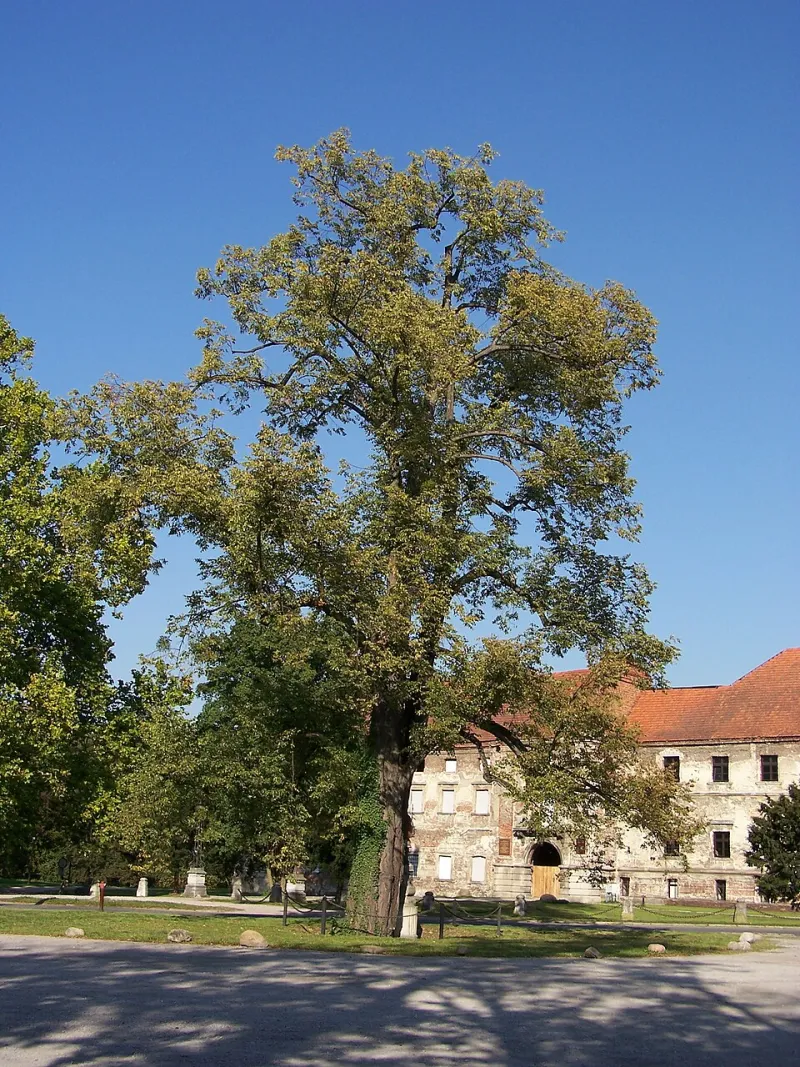
There is a stubborn myth that bats belong to barns, church towers and ancient woodland, and that a suburban garden in a busy town is somehow exempt. It is not. Several UK bat species happily use trees in towns, villages and edge-of-town estates. A mature street tree, a back-garden oak, a line of poplars behind a car park, even a modest fruit tree with a rotten patch can offer a roost.
The other myth is that you will know if bats are there. You probably will not. Bats are small, quiet and often tucked into crevices you cannot see from ground level. You might notice droppings, a stain, or bats emerging at dusk, but plenty of roosts are found only when an ecologist looks properly. A tree can look tidy, healthy and unremarkable and still have a feature that matters.
What tree surgeons are actually looking for
A good starting point is what ecologists call potential roost features, or PRFs. In plain English, these are the kinds of places a bat might use: woodpecker holes, rot cavities, splits in the trunk, loose bark, deadwood still attached to the tree, dense ivy, and crevices where branches meet the main stem. A hollowing limb or a wound that has not sealed over can also count.
This does not mean every tree with a hole needs a survey. It means the tree needs a proper look before work is specified, not a glance from the van window. A reputable tree surgeon should build that check into the quoting process. They should ask whether you have seen bats, check the tree for obvious features, and flag anything that needs a closer look. If there is a real possibility of a roost, they should recommend a licensed ecologist rather than guess.
Be wary of the phrase “we’ll just crack on”. Good contractors do not promise a bat-free tree without checking. They also do not claim that winter work is automatically safe. Timing depends on the species, the roost type and the work involved. There is no universal month when bat law switches off.
Why even a small prune can become a legal issue
It is easy to assume that a crown lift or a bit of deadwooding is too minor to matter. Usually, it is not a problem. But if the work affects a roost, even a modest job can trigger the legal process. Removing a low limb might open a cavity to weather or predators. Pruning near a crevice might disturb bats. Cutting ivy can destroy a sheltered roost. Felling is obvious, but pruning can be just as sensitive if it changes the roost.
If a roost is present, work may need a licence from the relevant conservation body before it goes ahead. That can mean surveys, paperwork and timing restrictions. It can push a job into another season. That is frustrating when you have a quote in hand, but it is far cheaper than an offence. The law also sits alongside tree protection rules such as Tree Preservation Orders and conservation areas. Bat checks do not replace those; they are an extra layer.
A practical homeowner checklist
Before you book, walk the tree from the ground and look for holes, splits, loose bark, deadwood and heavy ivy. You are not trying to identify bats yourself, just spotting features. Ask your tree surgeon how they handle bats and whether they have allowed for a check in the quote. If they brush the question aside, take that as useful information.
If you see bats, or suspect a roost, stop. Do not seal holes, block access or tidy the ivy to “help”. Call a licensed ecologist or a local bat group for advice. If storm damage has made a tree dangerous, get professional advice quickly; urgent situations still need a sensible route through the rules, not a blind charge with a chainsaw.
The bottom line is simple. A bat check is not red tape for its own sake. It is part of doing tree work properly. A few awkward questions now can save you a lot of time, money and worry later. And if the tree really is clear, you can book the work with a cleaner conscience and a better-qualified contractor.