The Inner Brown Is Often Normal: Making Sense of Conifer Needle Drop
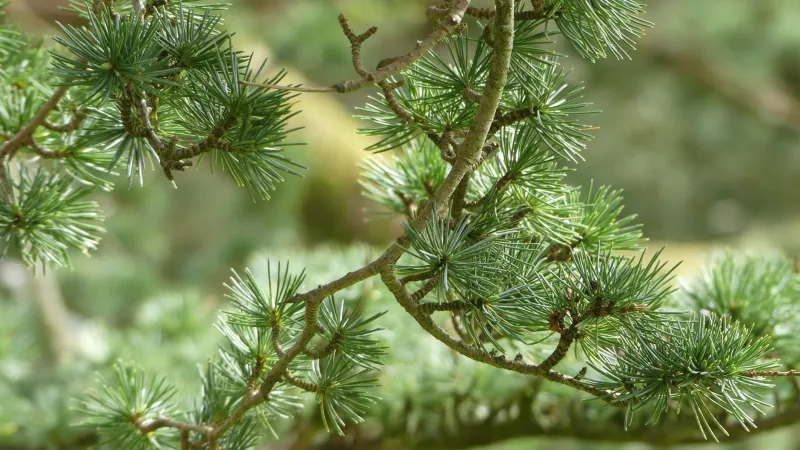
A conifer goes brown and the first instinct is often to apologise to it, then reach for a saw. That is understandable. Evergreens are sold to us as permanent, unchanging green backdrops, so any brown looks like failure. In reality, conifers are not statues. They grow, age, shed and renew, and quite a lot of the browning UK homeowners notice in autumn is ordinary housekeeping inside the canopy.
That does not mean every brown patch should be ignored. The useful skill is telling the difference between a tree quietly recycling old needles and one sending up a genuine distress signal. The colour alone will not do it. Pattern, position and timing will tell you far more.
Evergreens still change their clothes
A conifer holds its needles for several years, but not forever. As inner foliage becomes shaded by newer growth, the tree stops investing in it. Needles yellow, brown and drop. In pines this is often obvious in autumn, when older needles go over and leave a carpet underneath. Yew can look tatty inside in late summer. Leylandii, Thuja and other hedge conifers commonly build a green outer shell with a brown, twiggy interior.
If the brown is inside or low down, the outer canopy is green and the tree is still putting on healthy new tips, you are probably looking at normal shed. A thin layer of brown needles under the tree is not a crisis. It is the bill for another year of growth.
Why the inside goes first
Light is the main reason. A dense conifer canopy shades its own centre. The tree cannot run a profit on needles that rarely see sun, so it withdraws what it can and lets them go. Hedge trimming makes this more pronounced. Regular clipping creates a tight outer surface, which looks neat but throws shade into the middle. Over time the interior dies back while the outside stays green.
This is why a brown core in a leylandii hedge is often a light and age issue rather than an infection. It is also why cutting harder into that brown zone is such a risk. Many conifer hedges will not regrow from old, bare wood. A tidy-up can turn a brown patch into a permanent hole.
Normal shed versus warning signs
Ordinary seasonal drop tends to follow a few rules. The browning starts inside or lower down. It is fairly even. The outer tips remain green and flexible. There is fresh litter underneath. It happens in autumn or early winter, and the species is one known for shedding older needles.
Warning signs are different. Look for browning that starts at the tips and works inward. Watch for patches that spread quickly, dieback on one side only, a dead top, or whole branches going crisp while neighbours stay green. Check the base of the tree too. Resin bleeding, bark cracks, fungal brackets, loose bark or a root plate that looks disturbed all matter more than a few brown needles in the middle.
A sudden brown patch on a hedge after a hot, dry spell is also worth noting. So is browning that appears in spring or summer rather than autumn. Those patterns deserve a closer look before any cutting.
A five-minute walk-round
Start several metres back. Look at the silhouette. Is the top alive? Are the outer edges green all round? Is the brown evenly distributed inside, or is it a spreading patch on one face?
Then move closer. Part the foliage gently and compare inner needles with tip needles. Check the soil at the base. Is it waterlogged, bone dry, compacted by foot traffic, or newly covered with paving? Look for digging, drainage work or a new driveway within the root area. Run your eyes up the trunk for wounds, resin, weeping patches or loose bark. Look for mushrooms or brackets at the base, but do not assume every fungus is a killer. Some are decomposers doing ordinary work.
Take a few photographs from the same spot. A picture from this week and another in a month will tell you more about whether dieback is progressing than a single panicked glance.
Drought, roots and disease
Drought stress often shows as dull, thin or brown-tipped foliage, sometimes with the whole canopy looking tired rather than a neat inner shed. Newly planted conifers are far more vulnerable than established ones. Mature trees on shallow or sandy soils can also struggle in a long dry spell, but watering a large established conifer is rarely a simple fix and can do more harm than good if drainage is poor.
Root trouble is less visible and more serious. Waterlogging, compaction, root damage from building work or a root-rotting organism can all cause dieback in the crown. With Phytophthora root rot, you may see poor growth, dieback and dark lesions at the base. Honey fungus can produce white fungal tissue under bark, black bootlace-like strands and clusters of mushrooms in autumn. Needle blights on pines can cause banded or brown needles and thinning crowns.
None of these are reliably diagnosed from a photograph of a brown hedge. A qualified arboriculturist can inspect the site, check the roots and bark, and identify what is actually going on.
What to do this month
If the pattern looks like normal inner shed, do very little. Clear slippery litter from paths if needed, but leave the tree alone. Do not feed a conifer hard in autumn to force fresh growth into winter. Do not shear a brown patch flat in the hope of a quick fix. Do not bury the base in a thick mound of mulch.
If you suspect drought, check whether the soil is dry well below the surface, not just at the top. Newly planted trees may need watering, but established ones usually need a proper assessment first. If the ground is waterlogged, fixing drainage may matter more than anything you do to the canopy.
Above all, diagnose before you cut. Pruning away live growth will not cure a root problem, and cutting into old brown wood can leave a hedge permanently thinner.
When to call in a professional
Call for advice if dead patches are spreading, the top has died, bark is damaged or bleeding, fungal brackets are present, the tree is leaning or the root plate looks unstable, or a hedge is failing across a large section. Also call if you are unsure whether the tree is protected or whether work needs consent.
A brown conifer is not automatically a dying conifer. Often it is simply an evergreen doing what evergreens do: retiring the old foliage it no longer needs. Look at the pattern, check the base, take notes and give it time. Reassurance is sensible, but so is a second opinion when the signs do not add up.