Stop Smearing That Cut: The Case for Leaving Fresh Tree Wounds Alone
There’s a moment after every pruning cut when the tree looks uncomfortably exposed. The saw has gone through, the wood is pale and raw, and the urge to cover it with something — paint, tar, a tin of something from the shed — is strong. It feels like first aid. In reality, most fresh tree cuts need nothing more than a clean edge and a bit of patience.
That’s not a trendy 2026 opinion. It’s how trees work. A tree is not a piece of garden furniture with a bare timber end. It has its own way of dealing with injury, and slapping a product on the surface usually interferes more than it helps.
A tree doesn’t heal like skin
When you cut your finger, a scab forms and new skin grows underneath. Trees don’t do that. They don’t replace the damaged wood. Instead, they wall it off.
The living wood around a wound responds by creating boundary layers — a kind of internal barricade that limits decay and stops it spreading into healthy tissue. New wood then begins to grow around the edge of the cut, forming a roll of callus that slowly closes over the wound. This process is often called compartmentalisation, and it’s happening whether you can see it or not.
The key point for homeowners is that the tree is already doing the work. A coat of paint doesn’t help it wall off decay. At best it does nothing. At worst it gets in the way.
Why paint and potions can backfire
Wound dressings used to be standard practice. Tar, bitumen, beeswax mixes and various brush-on sealants were once sold as essentials for anyone with a pruning saw. Modern arboriculture has largely moved on, and for good reason.
A sealant can trap moisture against the cut surface, creating a damp pocket that is friendlier to fungi than a clean, drying wound. It can crack as the wood moves and let water in through the gaps. It can hide what’s actually happening underneath, so a problem develops out of sight. Some DIY mixtures can even damage the living tissue at the margins of the cut.
There’s also a simpler argument: most routine pruning cuts are small, and small cuts close over perfectly well on their own. Painting them is a bit like wrapping a plaster around a twig. It makes the gardener feel better, but the tree was never asking for it.
The cut matters more than the coat
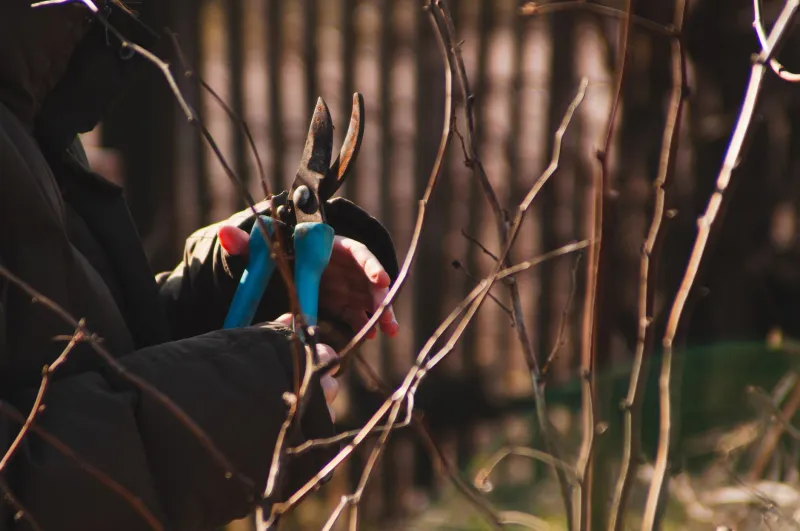
If you want to do right by a tree after pruning, forget the paint tin and look at the saw. A sharp, clean cut in the right place is worth more than any product you can brush on afterwards.
Make the final cut just outside the branch collar — the slight swelling where the branch meets the trunk. Don’t leave a stub, and don’t cut flush into the trunk. On larger limbs, use a proper three-cut method so the weight of the branch doesn’t tear bark as it falls. If a storm has left a ragged stump, a clean-up cut to sound wood can help, but only if it is safe to reach.
That last point matters. After storm damage, don’t climb a ladder with a chainsaw to tidy a torn branch. Make the area safe from the ground, keep people clear, and call a professional for anything hanging, split or larger than you can handle comfortably. A clean cut is good. A clean cut made from a wobbling ladder is not.
When a cut genuinely needs attention
Most fresh cuts are fine. Some deserve a second look.
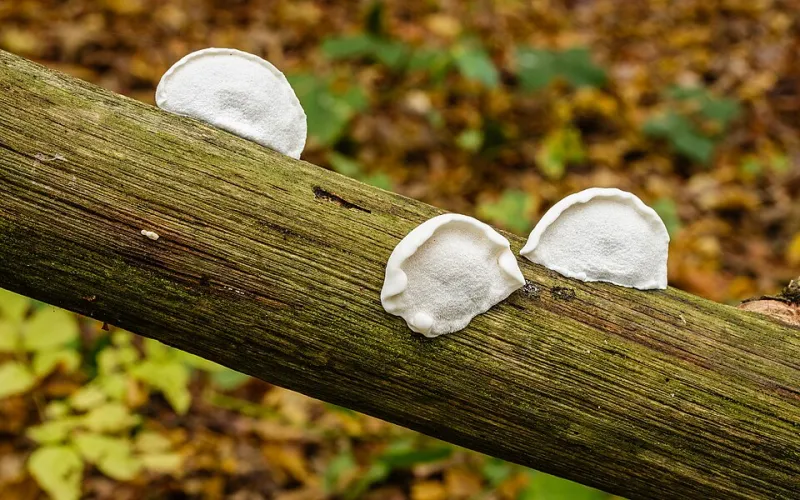
Large wounds, torn bark, split forks, cavities, fungal brackets and damage close to the base of the tree are worth having assessed. So are wounds on mature trees near buildings, driveways or boundaries, where the consequences of failure are higher. If the tree is protected by a Tree Preservation Order or sits in a conservation area, check before any work goes ahead. And if bats might be roosting in the tree, stop and take advice — it’s not just a tree-care issue.
Species can affect timing, too. Cherries, plums and other Prunus trees are often pruned in late spring or summer rather than the depths of winter, to reduce the risk of silver leaf infection. Birch, walnut and some maples can bleed heavily if pruned in late winter or early spring. That bleeding is usually not fatal, but it looks alarming and is best avoided by timing the work sensibly. Notice that the answer is timing and technique — not smearing something on the cut.
What to do instead after pruning or storm damage
In practical terms, the advice for 2026 is refreshingly low-tech. Make a clean final cut where you can do so safely. Remove the debris. Don’t paint, tar or balm the wound. Keep an eye on it over the following seasons, and take photographs if you’re worried about how it develops. Clean your tools between trees, especially if you’ve been working on something with known disease problems. Then let the tree get on with it.
If the wound is large, the bark is torn, the tree is unstable, or you simply aren’t sure, get a qualified arboriculturist to look. A short visit is cheaper than a smeared, sealed mess — and much cheaper than dealing with a tree that was never given the chance to close over properly.
A fresh cut isn’t an emergency. It’s a boundary. Give it a clean edge, keep the area tidy, and let the tree do what it has been doing for millions of years.